When winter weather hits, homeowners often try to handle minor siding repairs themselves. While DIY solutions may seem convenient or cost-effective, winter conditions make exterior work far more complicated than many expect. Before grabbing a ladder and tools, it’s important to understand the risks and limitations of DIY siding repair, especially during freezing temperatures.
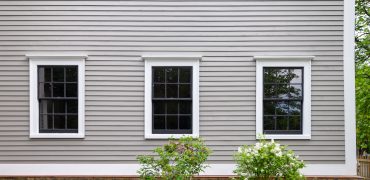
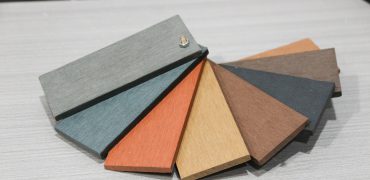
Cold weather affects the flexibility and durability of many siding materials. Vinyl becomes more brittle in low temperatures, increasing the risk of cracking during installation or removal. Adhesives used for certain siding systems may not bond properly in the cold, leading to temporary fixes that fail once the weather worsens. Even fiber-cement siding requires precise handling to avoid breakage.
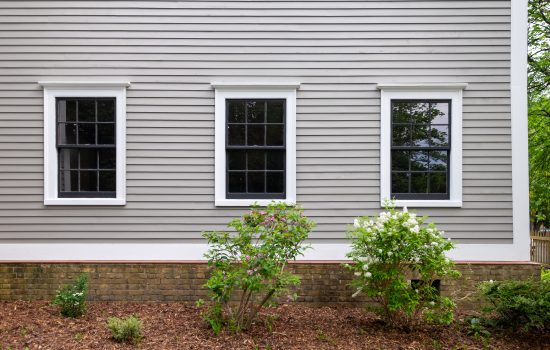
DIY efforts can also hide deeper issues. What looks like a loose panel may actually be a symptom of moisture infiltration, damaged underlayment, or inadequate insulation. Siding contractors know how to identify these hidden problems and address them before they escalate. Attempting winter repairs without proper training often results in more damage and higher repair costs later.
Snow and ice add another layer of danger. Working on ladders or uneven surfaces in winter is inherently risky. Professional siding contractors near me in Lombard have the equipment, training, and experience to handle repairs safely in challenging weather. They also know when conditions make siding installation possible and when it should be postponed.
While small cleaning tasks or visual inspections are fine for homeowners, structural repairs are best left to the experts during winter. Professional repairs last longer, maintain the home’s energy efficiency, and protect its overall value. DIY shortcuts may feel satisfying, but they rarely hold up against harsh winter weather.