Heating bills that steadily increase each winter often signal that something in the home is no longer functioning efficiently. While heating equipment is commonly blamed, the exterior siding system is frequently overlooked. In reality, worn or damaged siding can be a major contributor to heat loss.
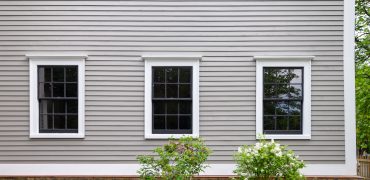
Siding protects the structure from wind, moisture, and extreme temperatures. It also helps seal the home’s outer envelope. When siding begins to deteriorate, this protective barrier weakens and allows outside air to penetrate the walls.
Cold air infiltration reduces the effectiveness of insulation. Insulation works best when it traps still air within wall cavities. If cold air flows through those spaces, the insulation cannot hold heat effectively. As a result, warmth escapes faster and the heating system must compensate by running more frequently.
Professional siding contractors near me in Arlington Heights often identify several warning signs that siding is affecting energy efficiency. These include visible cracks, warped panels, faded surfaces, and gaps around joints or trim. Even subtle damage can allow air and moisture to enter the wall system.
Moisture infiltration creates additional problems. When water penetrates behind siding, it can soak insulation and reduce its thermal resistance. Wet insulation compresses and loses its ability to slow heat transfer. Over time, this leads to higher heating costs and potential structural damage.
Modern siding systems are designed to prevent these issues. Many include insulated backing and improved locking mechanisms that create tighter seals between panels. Experienced siding contractors also install house wrap and flashing to protect the wall structure and prevent air leaks.
Replacing outdated siding may seem like a cosmetic upgrade, but it often has significant energy benefits. By restoring the integrity of the exterior barrier, homeowners can dramatically reduce heat loss through the walls.
Lower heating bills are one of the most noticeable outcomes of a siding upgrade. Homes become easier to heat, temperatures remain consistent, and the heating system operates more efficiently.
If your home feels drafty or your energy costs continue to rise, the exterior siding may be part of the problem. Consulting with qualified siding contractors can help identify weaknesses in the building envelope and provide solutions that improve efficiency and comfort.